An Electrical Maintenance Tech will maintain and repair factory equipment, industrial machinery, and associated electrical systems.
Responsibilities
Troubleshoot, repair, and perform preventative maintenance on complex electrical equipment, including PLCs, control circuits, communication systems, I/O field devices, and VFD drives/motors
Install or modify electrical equipment following electrical code, manuals, schematic diagrams, and other specifications with minimal instruction
Work directly with all mechanics and operations personnel in a fast-paced environment to help develop a safety focused and productive atmosphere
Support maintenance teammates to help maintain a positive and efficient work environment focused on safety and reliability
Read Electrical drawings, blueprints, diagrams and schematic drawings to determine work procedures
Lead the design, development, implementation, and optimization of automated manufacturing systems across La-Z-Boy operations, providing technical leadership in controls engineering, robotics, and digital manufacturing initiatives.
Responsibilities
Lead controls architecture development for new automation and capital equipment projects
Design, develop, program, and support PLC, HMI, SCADA, motion control, and industrial network systems
Create and maintain electrical schematics, controls documentation, network diagrams, and technical standards
Develop and troubleshoot automation systems utilizing industry-standard platforms
Integrate robotics, vision systems, sensors, servo systems, and automated material handling equipment
Requirements
Bachelor’s degree in Electrical Engineering, Computer Engineering, Mechanical Engineering, Mechatronics Engineering, or related technical field
Takes technical ownership of control systems for all automated equipment at HMI, maintaining and improving PLC, HMI, and robot programs to increase equipment reliability, process yield, and production efficiency.
Responsibilities
Takes technical ownership of control systems for all automated equipment at HMI, maintaining reliable operation and serving as the primary internal controls resource.
Develops, modifies, tests, and maintains PLC and HMI programs, including machine sequences, alarms, diagnostics, recipes, and process settings.
Programs, debugs, and optimizes robots, including motion paths, tooling interfaces, equipment handshakes, and fault recovery sequences.
Integrates and troubleshoots sensors, actuators, servo drives, machine vision, and other peripheral devices through PLC interfaces and industrial communication networks.
Partners with manufacturing engineers to analyze cycle time, downtime, faults, and yield, and implements controls improvements that increase automation performance and process consistency to attain target OEE KPIs.
Seeking a Senior/Staff Automation Controls Engineer to develop custom manufacturing equipment to assemble and test the aircraft, combining software, electrical hardware, robotics, and engineering fundamentals.
Compensation
The target base pay for this position is $131,700 - $213,100/yr.
Responsibilities
Own the electromechanical, software, and commissioning aspects of custom manufacturing equipment development, partnering with manufacturing engineers and manufacturing test engineers to bring assembly and test processes to production
Design and develop scalable PLC software in Structured Text (IEC 61131-3), creating reusable libraries and standardized software components
Develop intuitive and maintainable HMIs for machine operation, diagnostics, and maintenance
Create complete electrical design packages, including component selection, electrical schematics, panel layouts, wiring documentation, and bills of materials
The Senior Manager, Automation Reliability Engineering, provides advanced controls expertise and drives process optimization across Walmart’s automated supply chain network. This role uses operational and reliability KPIs to identify top losses, improve throughput, increase capacity, and reduce cost.
Compensation
The annual salary range for this position is $90,000.00 - $180,000.00. Additional compensation includes annual or quarterly performance bonuses.
Responsibilities
Analyze operational and reliability KPIs to identify top losses and prioritize improvement opportunities.
Lead or support controls and process improvements that increase throughput and capacity while reducing cost
Troubleshoot PLCs, HMIs, drives, networks, and related control systems to restore operation and prevent recurrence.
Lead vendor escalations and coordinate technical resolution across teams.
Identify and support controls improvements that increase throughput, capacity, and equipment performance.
Requirements
Bachelor's degree in mechanical, electrical, supply chain engineering, or related area
Nice to have: Master's degree in engineering
Nice to have: Project Management certification
Nice to have: Six Sigma Certification (Green Belt)
Lead the design, commissioning, and optimization of advanced automation systems within a high-volume automotive paint shop environment.
Compensation
Lucid offers a comprehensive and competitive benefits package including medical, dental, and vision insurance; life and disability coverage; paid time off; paid holidays, paid sick leave; and a 401(k) retirement plan. Hourly/non-exempt employees accrue up to 120 hours paid time off, and salaried/exempt employee accrue up to 160 hours paid time off. Eligible employees may also participate in Lucid’s equity program and/or a discretionary annual cash incentive program.
Responsibilities
Design and implement control strategies for robotic and automated systems in paint booths, sealer areas, and utilities.
Develop, modify, and optimize PLC logic using Siemens S7/TIA Portal, Allen-Bradley, Beckhoff.
Program and refine robot paths and paint parameters for ABB IRB5500, Fanuc R-2000iC, KUKA KR series, Dürr EcoRP.
Design and integrate HMI/SCADA interfaces for alarms, diagnostics, and real-time data visualization.
Lead automation commissioning for new installations, upgrades, and expansions in the paint shop.
Requirements
Bachelor’s degree in Mechatronics, Electrical Engineering, Mechanical Engineering, or Automation Engineering
Master’s degree or equivalent professional certifications in robotic automation
 Automation EngineerNewIncluso · Lund, Sweden
 Electrical Maintenance Technician (PLC/VFD experience)SMS group Inc · Osceola, US
 Staff Development Test EngineerAstra · Alameda, US
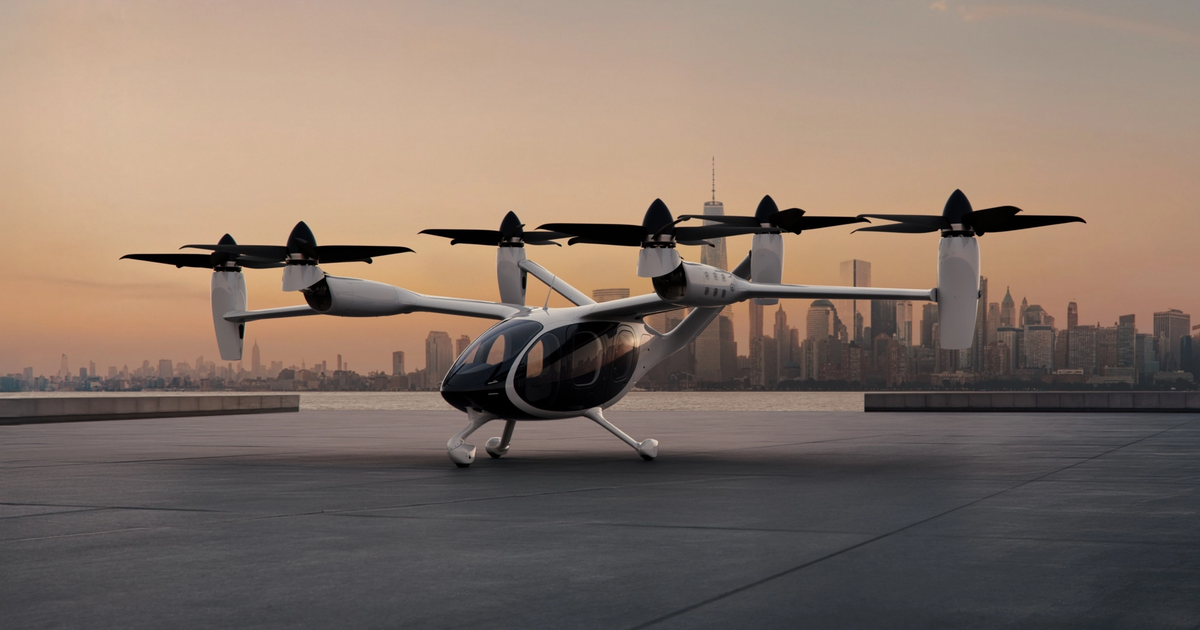 Sr/Staff Automation Controls EngineerJoby Aviation · San Carlos, US
 Maintenance Automation Sr. EngineerLucid Motors · King Abdullah Economic City, Saudi Arabia